
Published: 2026-11-23
What the winter market looks like
December does not pause a mortgage. The application, the appraisal, and the closing still have to happen. What changes is the calendar around them, and what you can see of the house.
NerdWallet's winter buying article, published January 27, 2026, says winter is the slowest season nationally and that people still buy. It reports, from the National Association of Realtors, that about 13,000 houses are sold every day from December through February.
The same article says inventory is thinner, which limits the homes you can tour. It says that in many areas more listings start to show up in February, and that every market has its own rhythm. It also says homes drew about two offers per listing in December 2025, and that homes stay on the market a median of 20 days longer in the winter than in peak season. Those figures are NAR figures as NerdWallet reported them on that date. They are not a forecast for one neighborhood.
NerdWallet says motivated sellers are more willing to negotiate, especially when a home has been listed since summer or fall. Sellers may be more open to negotiating. This page does not say winter prices are lower. A thinner list of homes is a tradeoff. It is not a schedule of discounts.
Use the extra days on the market to read the file, not to skip steps. The home buying process still runs from budget and preapproval through the offer, underwriting, and closing. The first-time homebuyer guide covers credit, the down payment, and the documents a preapproval asks for. A December offer uses that same path.
Closings and the rate lock
A December closing can slip when the people who must sign, record, or fund the loan are out. Ask the lender, the title company, and the recording office which days in late December they will not fund or record. A contract date that lands on a closed day is not a funded loan that day.
The CFPB rate-lock answer, last reviewed May 2, 2023, says a lock means the interest rate will not change between the offer and closing, if you close within the specified time and there are no changes to the application. It says locks are typically available for 30, 45, or 60 days, and sometimes longer. If the rate is not locked, it can change at any time.
If the closing moves past the lock, the lock can expire. The CFPB says an extension may be expensive. It tells you to ask, before you rely on a short lock, what happens if closing is delayed. It also says to make sure the lock is long enough to cover the time until you close, and to ask about a longer lock now if you think the period is too short. The Loan Estimate shows whether the rate is locked and for how long. It does not show the price of an extension. Ask that number in writing.
The rate lock guide walks through the questions the CFPB lists, including what a delayed closing does to the lock and whether a longer window is available. A lock is not an approval. A preapproval is not a lock.
The same CFPB page says a locked rate can still change if the application changes. That includes the loan type, the down payment, an appraisal that differs from what the file expected, a credit score change, or income the lender cannot document. A holiday delay and a changed file are two different problems. Ask which one you are looking at before you assume the first quote still applies.
What a winter inspection can miss
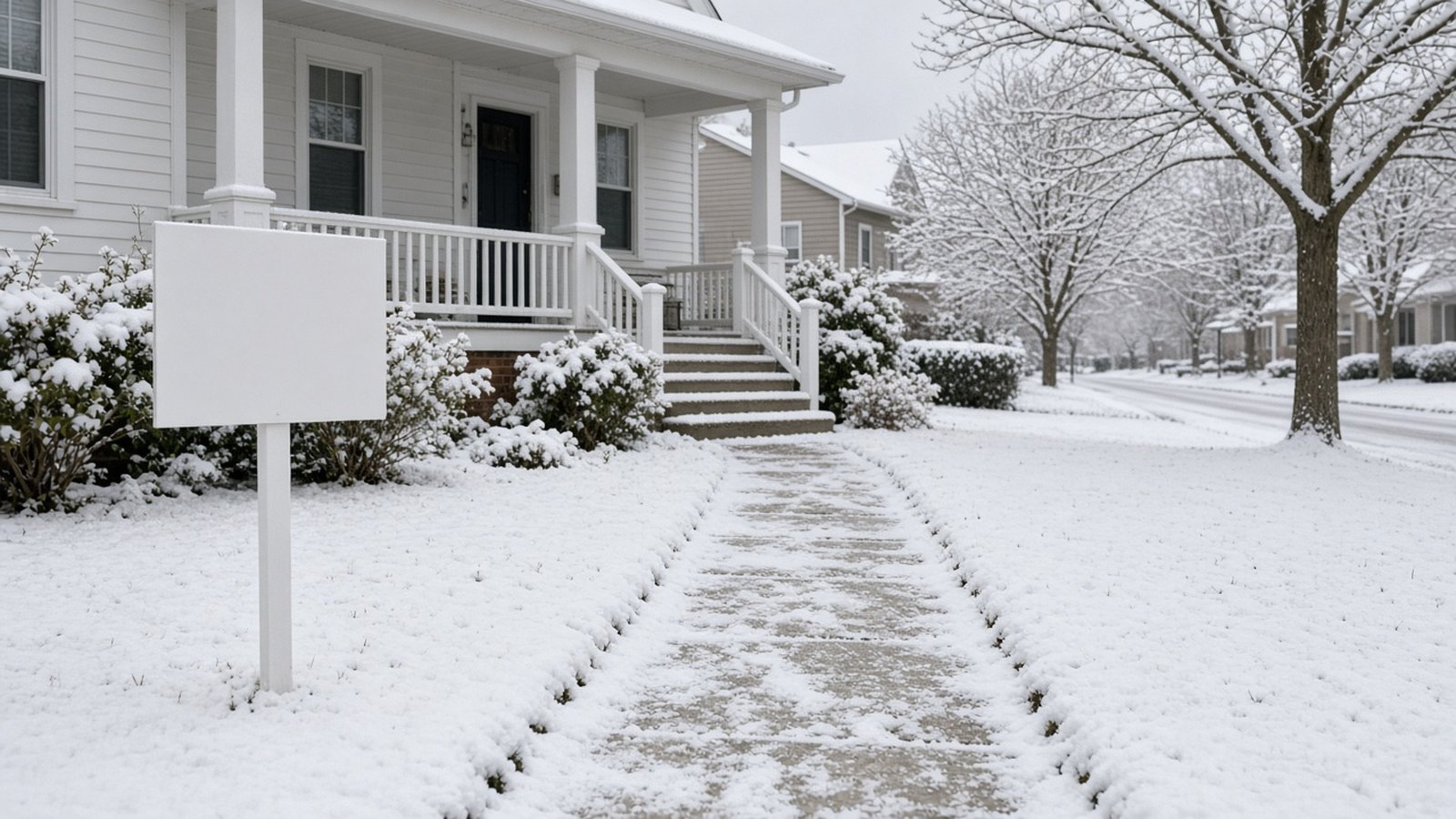
NerdWallet says to pay attention to how the house feels in winter weather, including drafty windows and the natural light. It says deep snow can mask siding damage, roof issues, or problems with the septic system. Ask the seller for photos of the property in milder weather. Lean on the home inspection rather than the view from the curb.
The same article quotes a broker in a heavy-snow market who says winter demand stacks up for no-heat calls and frozen pipes, and that those trades use the warmer months for project work. If the inspection names a repair, ask whether that contractor can do it before closing or whether the contract has to carry the item past the snow. Do not treat a snow-covered yard as a finished inspection.
A final walk-through still has a job in December. You are checking the condition the contract describes, including agreed repairs, not the season. If snow is covering the items the inspection flagged, say so in writing before you sign. The step-by-step buying guide covers the walk-through, the Closing Disclosure, and the cash due at the table.
How to use the slower weeks
Fewer offers, if that is what your market is showing, give you time to read the disclosure and the inspection. They do not remove the financing deadline in the contract. Build the lock, the appraisal, and the walk-through against the days the offices are actually open.
If you are still choosing a lender, do that comparison before you need a long lock to cover a holiday gap. Comparing offers shows where the fees and the lock length differ. It does not set the price of the house, and it does not promise that a seller will accept a change.
Ask three practical questions before you write a December closing date. Which days will the lender fund. Which days will the title company and the recorder be open. Will the lock still be in force on the last of those days if the first date slips. Write the answers next to the contract date.
This article is educational and is not a loan offer or financial advice.
Sources
- NerdWallet, How to Buy a House in the Winter (published January 27, 2026) - https://www.nerdwallet.com/mortgages/news/how-to-buy-a-house-in-the-winter
- Consumer Financial Protection Bureau, What's a lock-in or a rate lock on a mortgage? (last reviewed May 2, 2023) - https://www.consumerfinance.gov/ask-cfpb/whats-a-lock-in-or-a-rate-lock-en-143/